
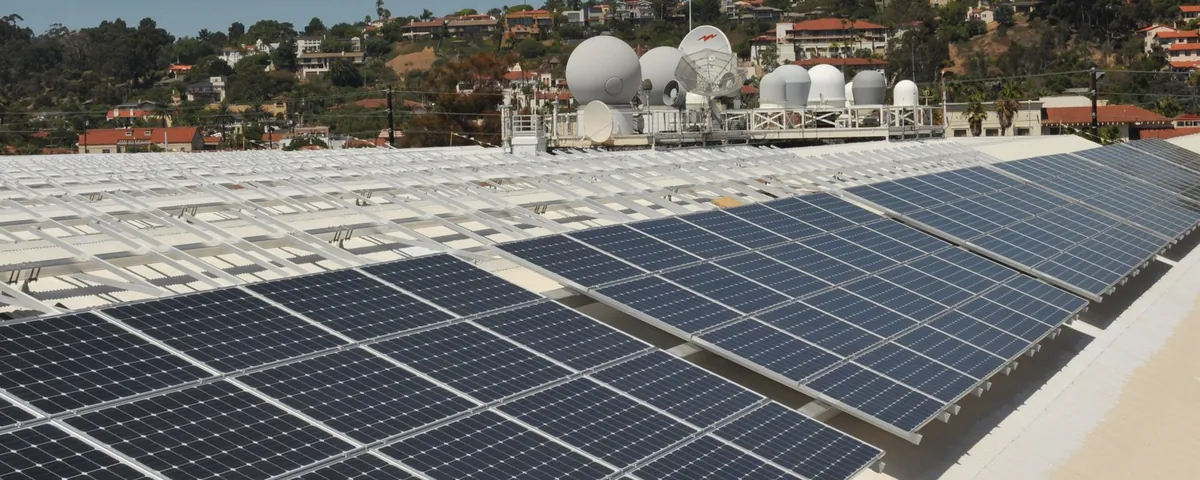
The engineer on the owner's side of an EPC contract: we specify what should be built, run the tender so bids are comparable, negotiate the technical terms, monitor construction and witness the tests, so that what is handed over is what was paid for.
- Feasibility, load matching and grid connection strategy
- Technical specification and employer's requirements
- Tender management and normalised bid evaluation
- EPC and O&M technical terms: tests, guarantees, liquidated damages
- Construction monitoring, commissioning witness and takeover
Most solar and storage projects below utility scale are specified by the company hoping to build them. The consequences are consistent and expensive: systems sized to the contractor’s supply chain rather than the site, yield models nobody stress-tests, and a contract that puts the performance risk somewhere other than where the owner assumed.
The owner’s engineer is the answer every other kind of capital project already has. Apex provides it on solar, storage and hybrid projects from a few hundred kilowatts to utility scale.
What it involves
Feasibility and load matching. What the site consumes or exports, half-hour by half-hour, against what a system would produce; export limitation, storage and the connection offer; and whether the business case survives a realistic yield.
Site, structural and grid review. Roof condition and remaining life for rooftop schemes; terrain, geotechnical parameters, flood risk and access for ground mount; DNO or DSO application strategy and what the connection actually permits.
Technical specification and tender. Employer’s requirements written for the site rather than copied from a contractor’s proposal, then a tender run so that bids can be compared on the same basis. This stage alone typically moves the price more than it costs.
Bid evaluation. Where the differences between bids are real and where they are presentational: module and inverter selection, DC:AC ratio, string design, monitoring granularity, cable sizing, warranty terms, and what each yield model assumed that it should not have.
Contract technical terms. Performance guarantee and test regime, availability definitions, liquidated damages that actually bite, defects liability, and O&M scopes that do not exclude the things that fail. Covered in depth under contract review.
Construction monitoring and commissioning. Hold points, inspections, factory and site acceptance tests, commissioning witness, performance test verification, and a takeover process that leaves the owner with an asset it can operate, including the data access it will need in year seven.
How it is bought
Some clients retain Apex through the whole sequence. Others instruct a single stage at a fixed fee, most often a bid evaluation once tenders are in, a contract review before signature, or commissioning witness before takeover. Either is fine, and we will say which stages a given project does not need.
Other services
Tell us what you are trying to decide
Most engagements start with a short call about the asset, the transaction or the dispute, and the timetable. We will tell you what we would do, what it would cost, and whether you need us at all.